Alternatives to Public and Private School in Delaware: The Full List
For a long time, families felt they had only two educational choices: public or private school options in Delaware.
And if neither one felt quite right for your child? Well… you were mostly left wondering what you were supposed to do next.
Thankfully, that is changing.
Across Delaware—and across the country—families are beginning to rethink what education can look like. Charter schools, school choice programs, homeschooling, hybrid programs, microschools, forest and farm schools, co-ops, and virtual programs have created an entire landscape of educational alternatives that many parents don't even realize exists.
And here's the important part:
There isn't one "right" way to educate a child.
Children are different. Families are different. Seasons of life are different.
The goal isn't to find the school model everyone else says is best. It's to find the environment where your child feels safe, connected, challenged, capable, and excited to learn.
So, if traditional public or private education isn't feeling like the right fit for your family,
Charter Schools
Charter schools are public schools that operate under an approved charter rather than directly under a traditional school district.
They are tuition-free and still part of Delaware's public education system, but individual schools may be built around a particular educational philosophy or focus, such as STEM, the arts, classical education, language immersion, or project-based learning.
For families who like the structure and resources of a traditional school but want a different educational approach, a charter can be worth exploring.
- Cost
- Tuition-free.
- May be a good fit for
- Families looking for a full-time school experience with a more specialized educational model.
- Things to consider
- Admission may depend on availability or a lottery, transportation can vary, and the overall structure is still similar to a traditional five-day school environment.
Delaware School Choice
Delaware's school choice program allows families to apply for their child to attend a public school outside of their assigned feeder school, depending on space and eligibility.
Sometimes the issue isn't that traditional school itself isn't working. Sometimes a child simply needs a different school community, teaching environment, program, or culture.
School choice can give families another option without leaving the public school system altogether.
- Cost
- Tuition-free.
- May be a good fit for
- Families who are generally comfortable with traditional public education but believe another school may better meet their child's needs.
- Things to consider
- Placement isn't guaranteed, and transportation may become the family's responsibility.
Full-Time Homeschooling
Homeschooling offers families the greatest amount of flexibility and autonomy over how, when, and where learning happens.
In Delaware, families can establish a homeschool through the state's nonpublic school system and take responsibility for their child's education.
And homeschooling doesn't necessarily mean recreating a classroom at the kitchen table from 8:00 to 3:00.
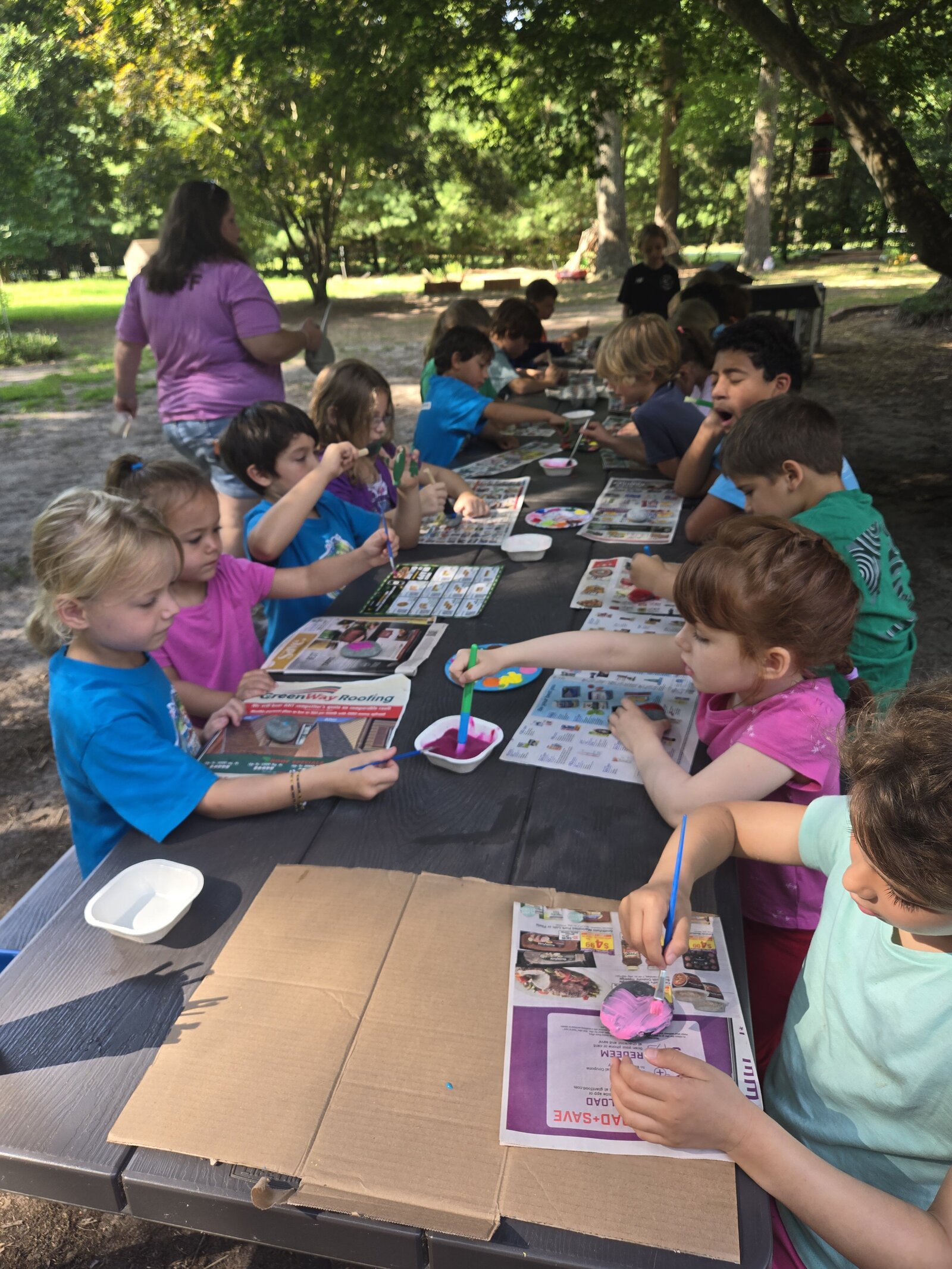
Some families use a traditional curriculum. Others use project-based learning, online courses, tutors, community classes, museums, libraries, travel, nature, apprenticeships, or a combination of all of the above.
- Cost
- Varies enormously. Families can homeschool very inexpensively or invest significantly in curriculum, classes, tutors, travel, and activities.
- May be a good fit for
- Families wanting maximum flexibility, children who benefit from individualized pacing, or families whose lifestyle allows an adult to take a significant role in facilitating learning.
- Things to consider
- Homeschooling requires time, planning, and capacity from the adults involved. Community and peer relationships may also need to be intentionally built.
Hybrid Homeschool Programs
Hybrid homeschooling lives somewhere between traditional school and homeschooling.
Children may attend an in-person program one, two, three, or even four days each week while remaining part of a homeschool or nonpublic-school structure.
Depending on the program, those in-person days might include academics, projects, outdoor education, enrichment, community-building, or all of the above.
For many families, hybrid education creates a middle ground: more support and community than homeschooling entirely alone, with more flexibility and individualization than a traditional five-day school.
- Cost
- Varies by program and number of days attended.
- May be a good fit for
- Families who value homeschooling but want consistent community, families balancing work and home education, or children who thrive with smaller groups and a less traditional environment.
- Things to consider
- Every hybrid program operates differently. Families should understand who is responsible for curriculum, attendance, recordkeeping, and learning on non-program days.
Microschools
Microschools are intentionally small learning communities.
Rather than classrooms of 20-30 students in a class, separated strictly by grade level, a microschool may serve a small group of mixed-age learners with one or several educators.
But "microschool" is a broad term.
Some microschools look academically traditional—just much smaller. Others are Montessori-inspired, project-based, self-directed, nature-based, or built around personalized learning.
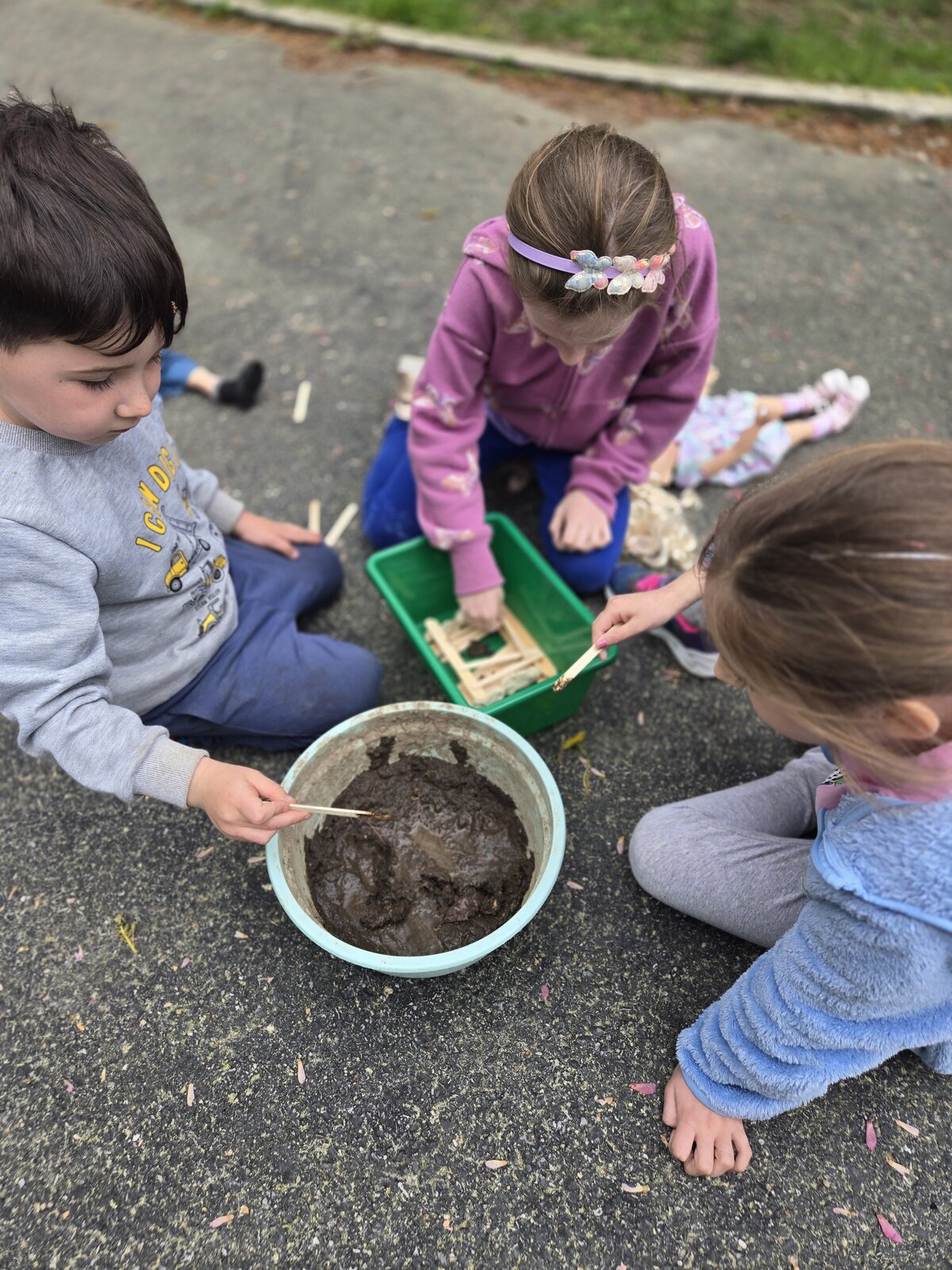
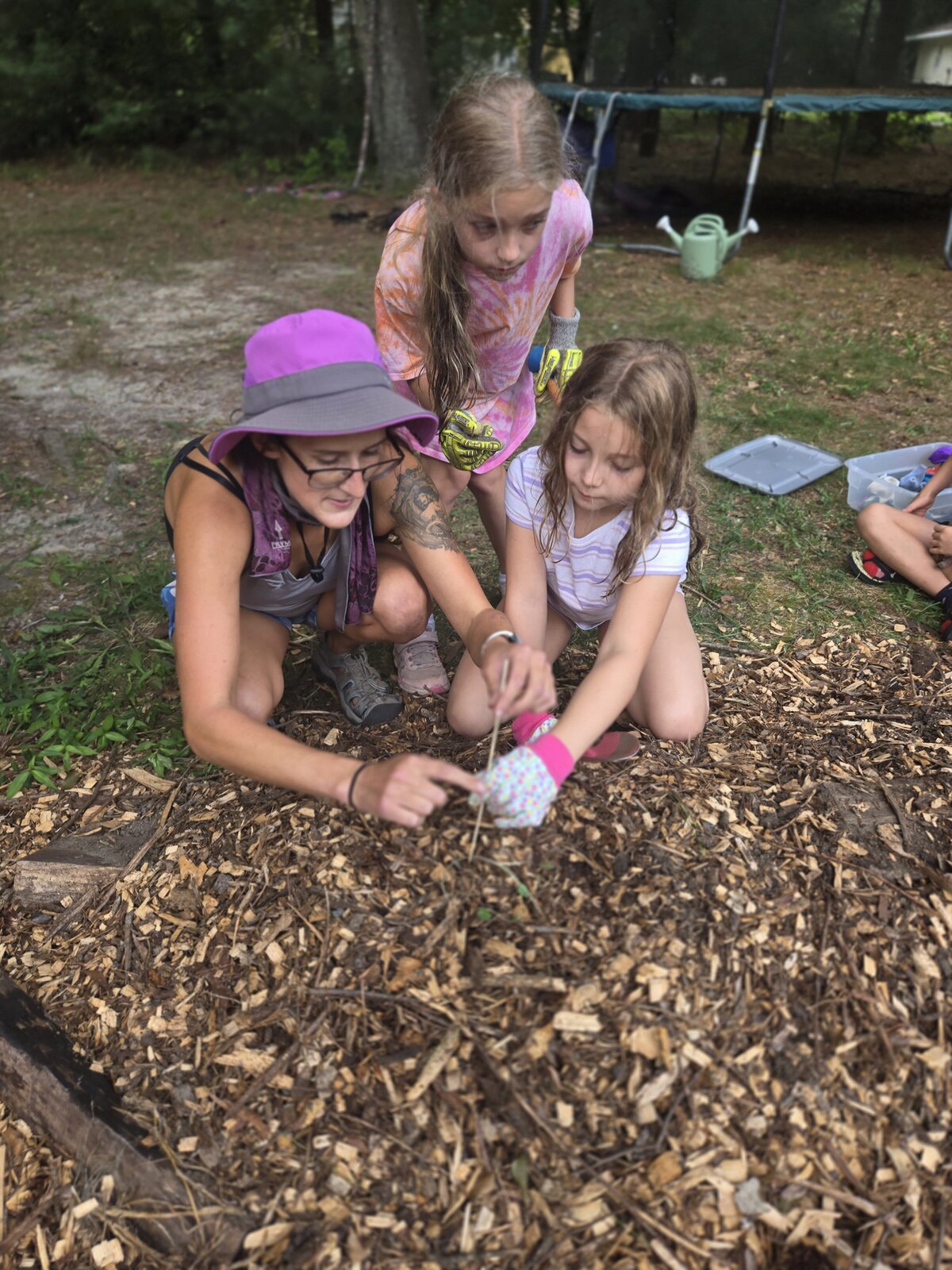
That's why it's important to look beyond the label.
Ask what an actual day looks like. Ask how children are supported academically and socially. Ask how progress is documented. And, most importantly, spend time in the environment before deciding whether it feels right for your child.
- Cost
- Varies widely.
- May be a good fit for
- Children who thrive in small communities, families seeking more individualized attention, or students who haven't felt seen in larger classrooms.
- Things to consider
- Because microschools can differ dramatically from one another, families should understand the program's educational philosophy, structure, legal classification, staffing, and expectations.
Forest Schools, Farm Schools, and Nature-Based Education in Delaware
This is the world ROOTS knows especially well.
Forest and farm schools intentionally move a significant portion of childhood—and learning—back outside.
Children might spend their days outdoors in forests, gardens, fields, creeks, workshops, or alongside animals. They build, grow, investigate, create, problem-solve, take appropriate risks, and learn to care for the places and communities around them.
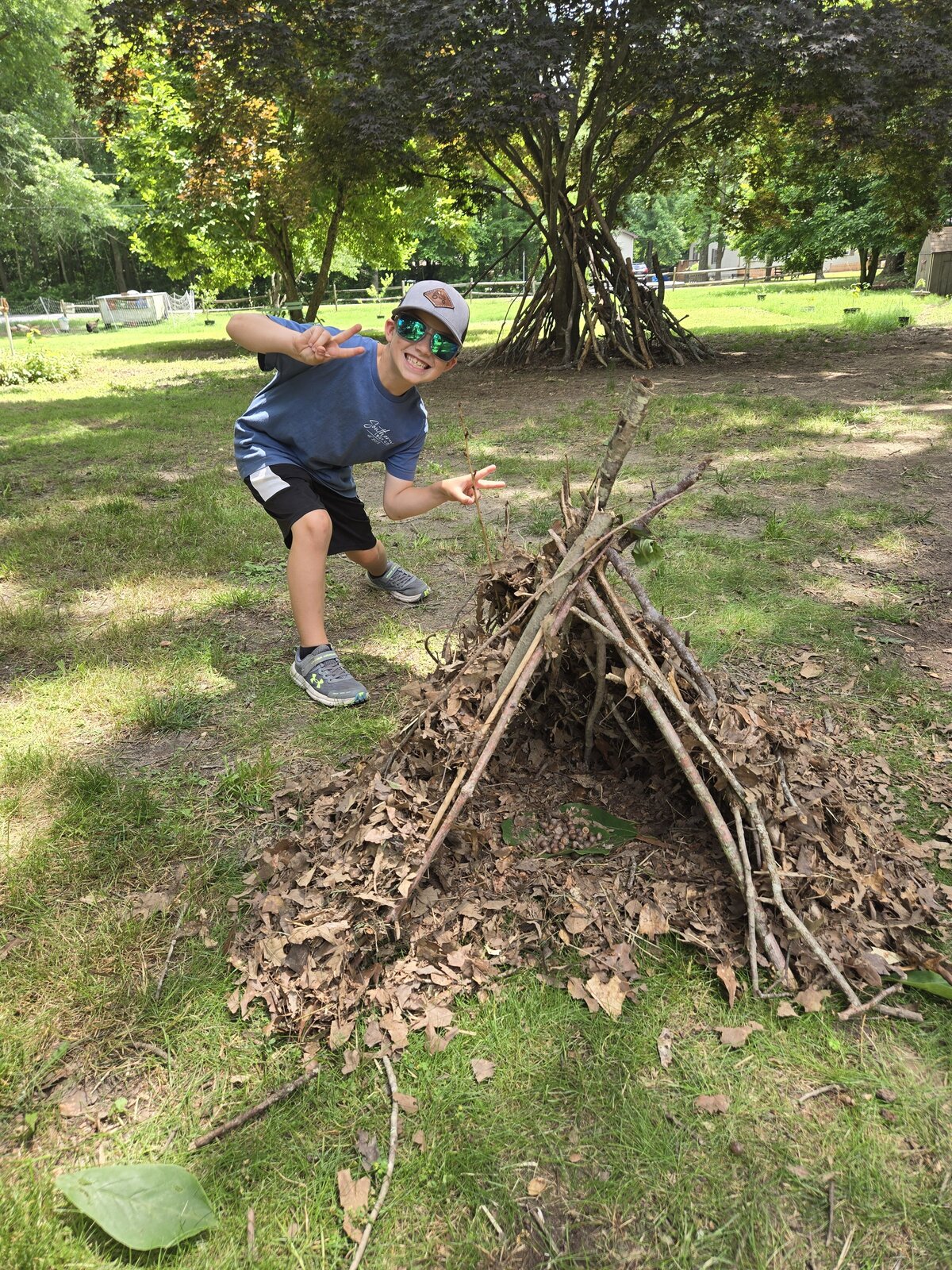
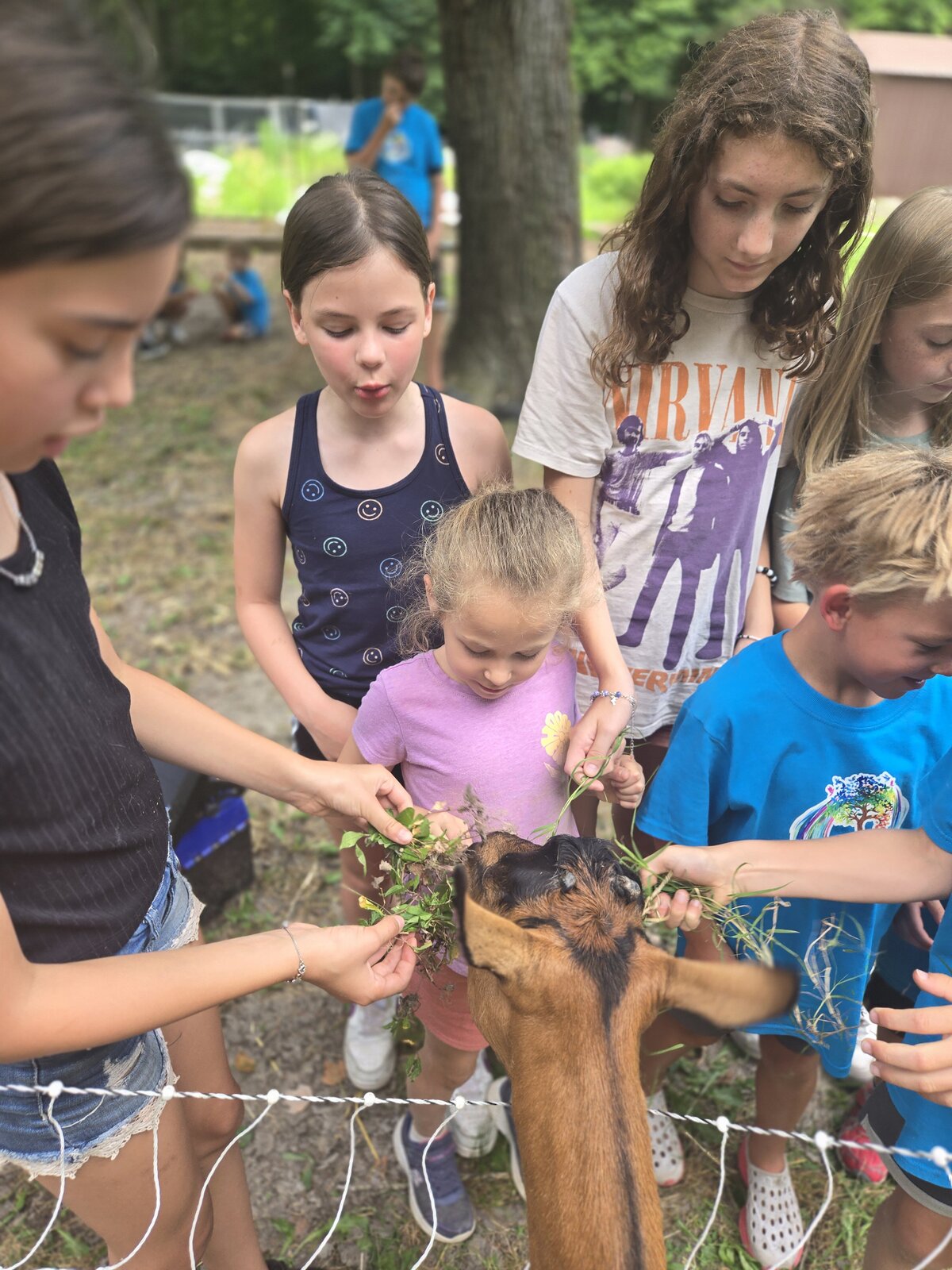
But nature-based education isn't simply "playing outside all day."
At its best, it recognizes something we deeply believe at ROOTS:
Children learn with their whole bodies.
They need movement. They need meaningful work. They need relationships. They need opportunities to try something difficult, make mistakes, solve problems, and discover that they are capable.
Academics can absolutely exist within that environment.
At ROOTS, for example, our full-day programs include intentional Math and ELA skill blocks alongside project-based learning, makerspace work, social-emotional learning, and significant time outdoors.
Nature isn't a break from learning.Nature is part of the classroom.
- Cost
- Varies significantly depending on whether a program is enrichment-based, part-time, hybrid, or full-time.
- May be a good fit for
- Children who learn through movement and experience, children who thrive outdoors, families seeking smaller communities, and parents who value academics alongside independence, creativity, practical skills, and connection to the natural world.
- Things to consider
- "Nature-based" can mean very different things from program to program. Ask how much time is actually spent outside, how academics are approached, what happens in difficult weather, and what the program's philosophy looks like in practice. There is no “one way” for this model.
Online & Virtual School Options: Alternative Education Models
Virtual education allows children to complete some or all of their education online.
Programs range from structured virtual schools with teachers and scheduled classes to self-paced curriculum platforms families use independently.
For some students—particularly older, independent learners—the flexibility can be incredibly valuable.
It can also work well for families who travel, children pursuing intensive athletics or arts, or students who need greater control over the pace and environment of their day.
- Cost
- Some options are tuition-free, while private online programs may charge tuition.
- May be a good fit for
- Independent learners, families needing location flexibility, or students who do well with technology-based instruction.
- Things to consider
- Think realistically about your child's age, independence, need for movement, screen tolerance, and need for in-person relationships.
Homeschool Co-ops & Enrichment Programs: Community-Based Learning Alternatives
You don't have to homeschool alone.
Homeschool co-ops allow families to share resources, teaching, experiences, and community. One parent might teach science while another leads art, nature study, music, or another subject.
Paid homeschool enrichment programs can serve a similar purpose without requiring parents to teach. This is also an avenue that ROOTS offers.
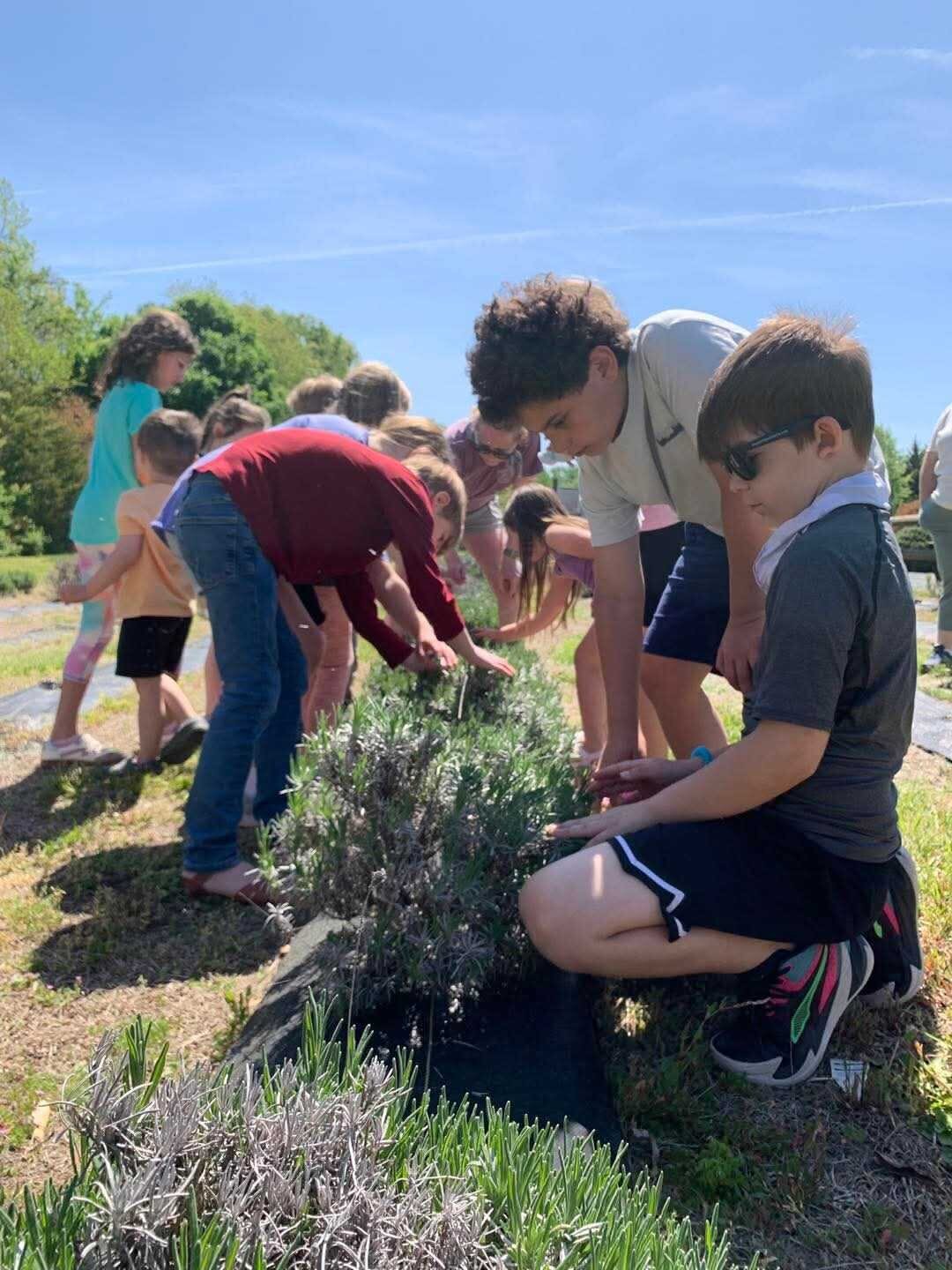
Some families build an entire educational ecosystem this way: academics at home, a forest program one day, co-op another, music lessons, sports, library programs, field trips, and plenty of ordinary life in between.
- Cost
- Ranges from nearly free parent-led groups to paid classes and enrichment programs.
- May be a good fit for
- Homeschooling families who want more community, specialized classes, or additional adults supporting their child's learning.
- Things to consider
- Programs vary in consistency, philosophy, age ranges, and the amount of parent involvement required.
So… How Do You Actually Choose?
Before comparing curricula, philosophies, or beautiful websites, start with your actual child and your actual family.
Ask yourself:
What isn't working right now?
Is your child bored? Overwhelmed? Lonely? Struggling academically? Sitting for too many hours? Needing more challenge? Needing more support? Coming home completely depleted?
Then ask:
When do I see my child come alive?
- Maybe it's when they're building something.
- Maybe it's when they're reading alone for hours.
- Maybe it's surrounded by other kids.
- Maybe it's outside.
- Maybe it's in a tiny group where someone finally has enough time to listen to them.
Then look honestly at your family's logistics.
There isn't a gold star for choosing the most unconventional option. And there isn't anything wrong with deciding that your neighborhood public school is exactly what your child needs.
The question is simply: Where can this child thrive?
Visit more than one place. Ask hard questions. Watch how the adults speak to children. Pay attention to how your child feels when they walk into the space.
Sometimes that tells you more than the brochure ever will.
Where ROOTS Fits
ROOTS Farm & Forest School was created because we believed there should be another option between traditional school and doing everything alone.
We serve Delaware families through small, relationship-centered learning communities across our campuses in Georgetown, Milton, Clayton, and Townsend.
Our programs include nature-based preschool, homeschool programs, four-day full school replacement (like the microschools) elementary and middle school options, Nature Pals, and seasonal programming. ROOTS will be adding high school soon.
Our full-day programs intentionally blend academics with the things childhood needs more of—not less.
Children work in small groups with approximately 6:1 student-to-educator ratios. They have dedicated time for Math and ELA skill development, project-based learning, makerspace work, social-emotional learning, practical life skills, and plenty of time outdoors.
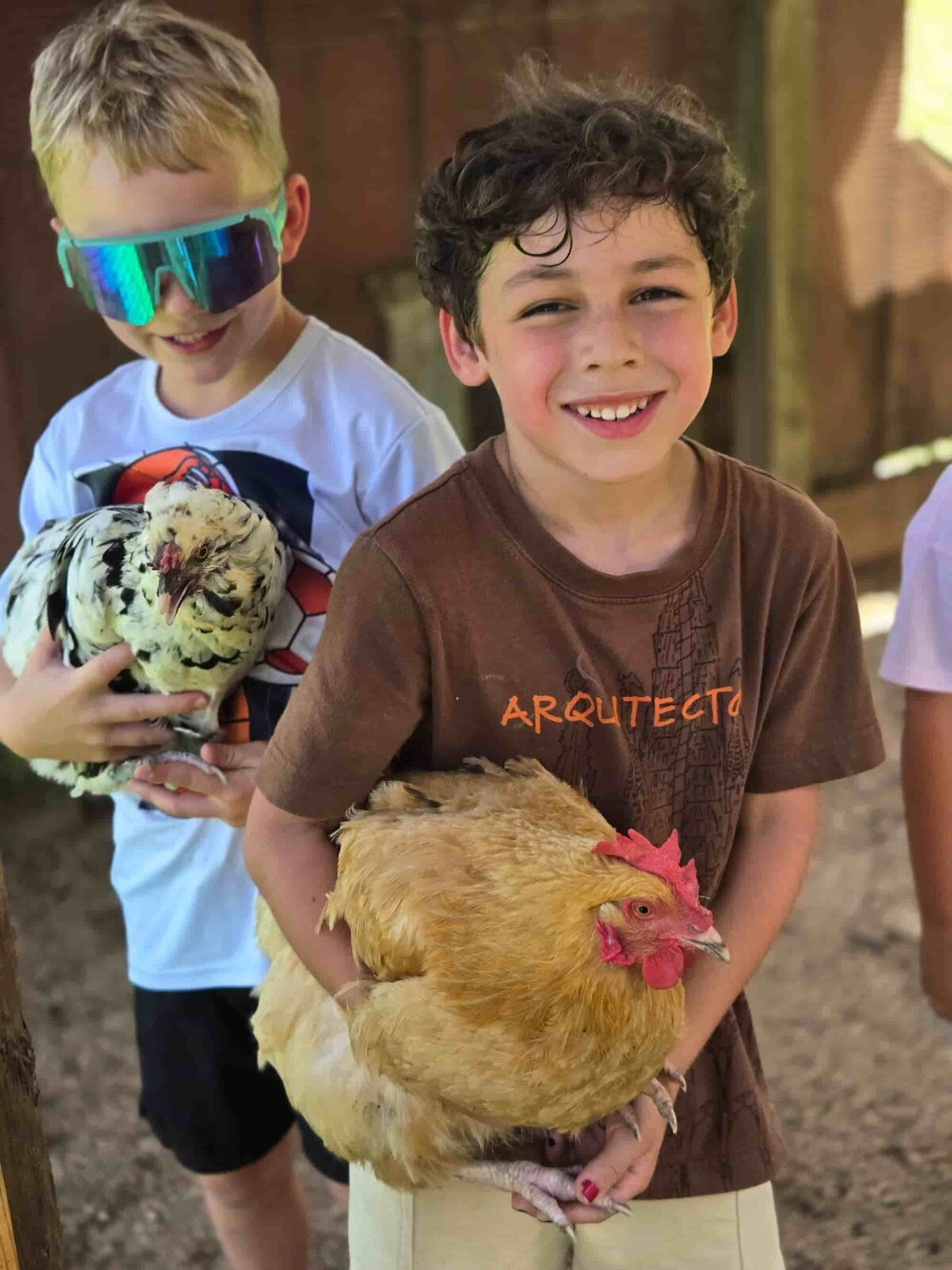
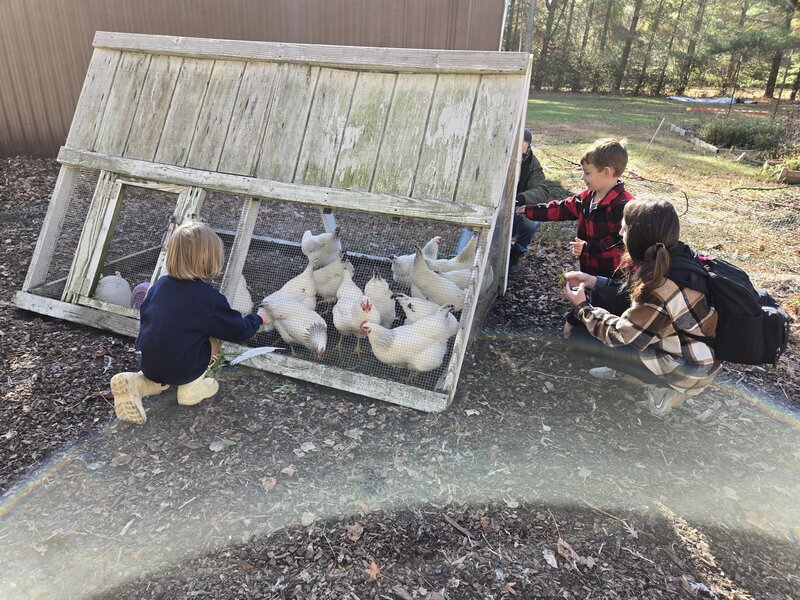
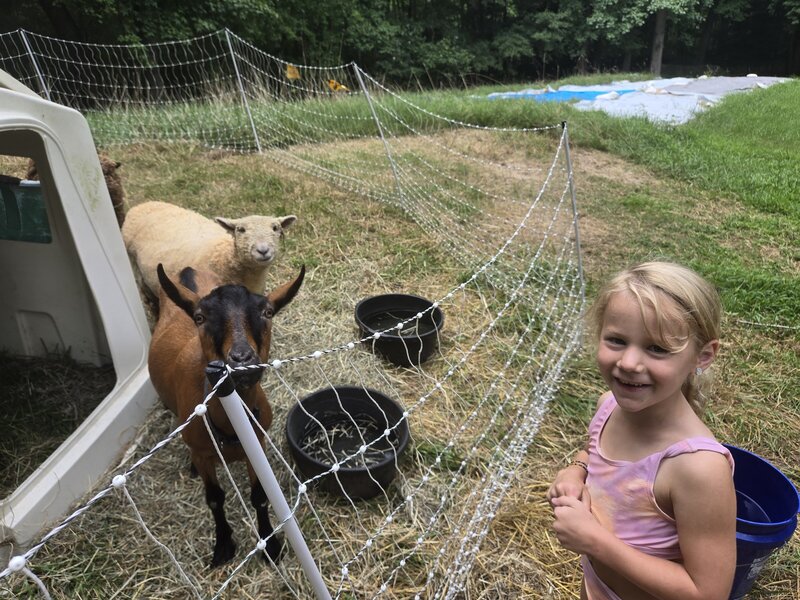
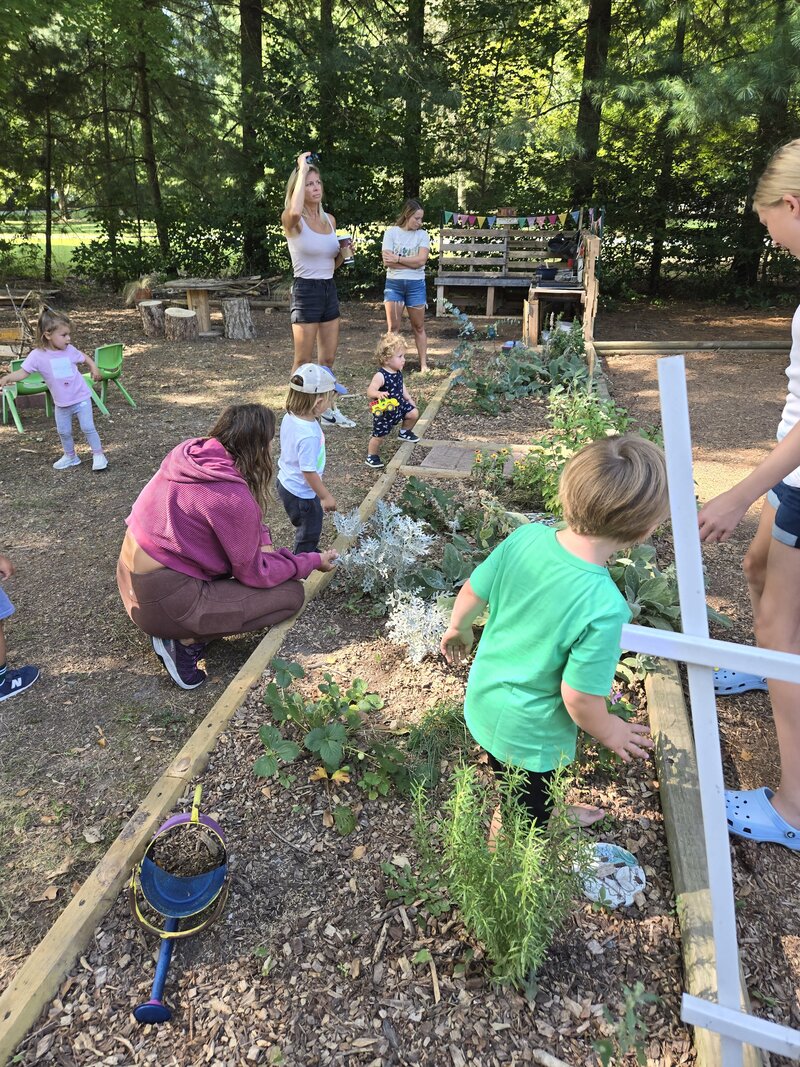
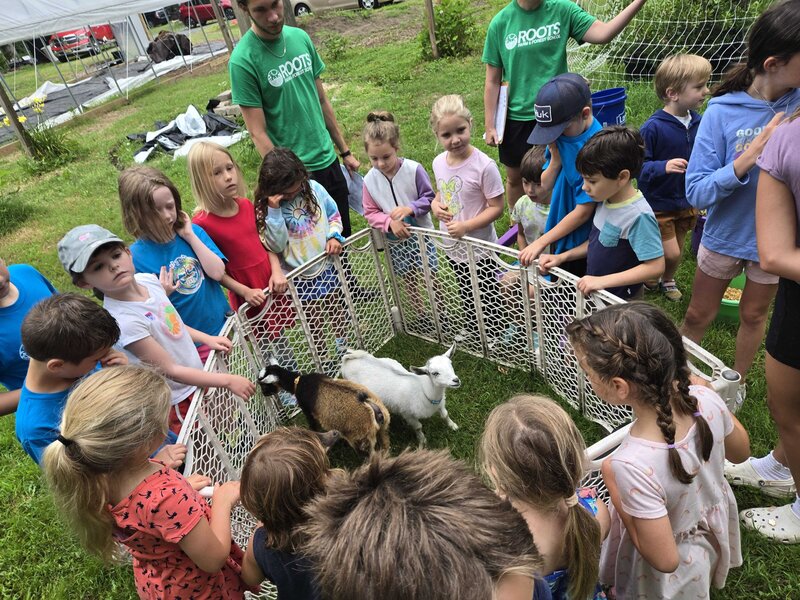
- They build.
- They grow food.
- They care for animals and the land.
- They make things.
- They solve real problems.
- They learn how to work with other people.
- And yes—they learn to read, write, and do math, too.
Our goal has never been to recreate traditional school outside.
It's to help raise capable, connected, and caring humans who know how to care for themselves, care for their communities, and care for the world around them.
Walk a campus. Ask questions. Meet us.
And if you've landed on this article because something about your child's current experience just doesn't feel right, you're welcome to come see ROOTS.
Maybe ROOTS will be the right fit.
Maybe it won't.
Either way, sometimes simply seeing that school can look different is enough to open a door you didn't know was there.
Frequently Asked Questions
Are alternative schools in Delaware accredited? What about different educational models?
Can my child transition between homeschooling and public school? How to manage school alternatives transitions?
How is alternative education in Delaware funded? Does Delaware provide funding options?
What's the most affordable alternative to traditional school? Cost comparison of educational models.
Homeschooling can have relatively low direct costs when families use free or inexpensive resources, although the time required from a parent or caregiver is an important part of the equation.
Co-ops and enrichment programs can then be added based on a family's needs and budget.
Can children with IEPs attend alternative programs?
Children with disabilities can participate in many different educational settings, but available services and legal responsibilities differ significantly between public schools, charter schools, private schools, and homeschooling.
Before changing educational settings, families should talk directly with the prospective program and their local school district about their child's specific needs, available services, and how existing evaluations or educational plans may be affected.

